
Introduction
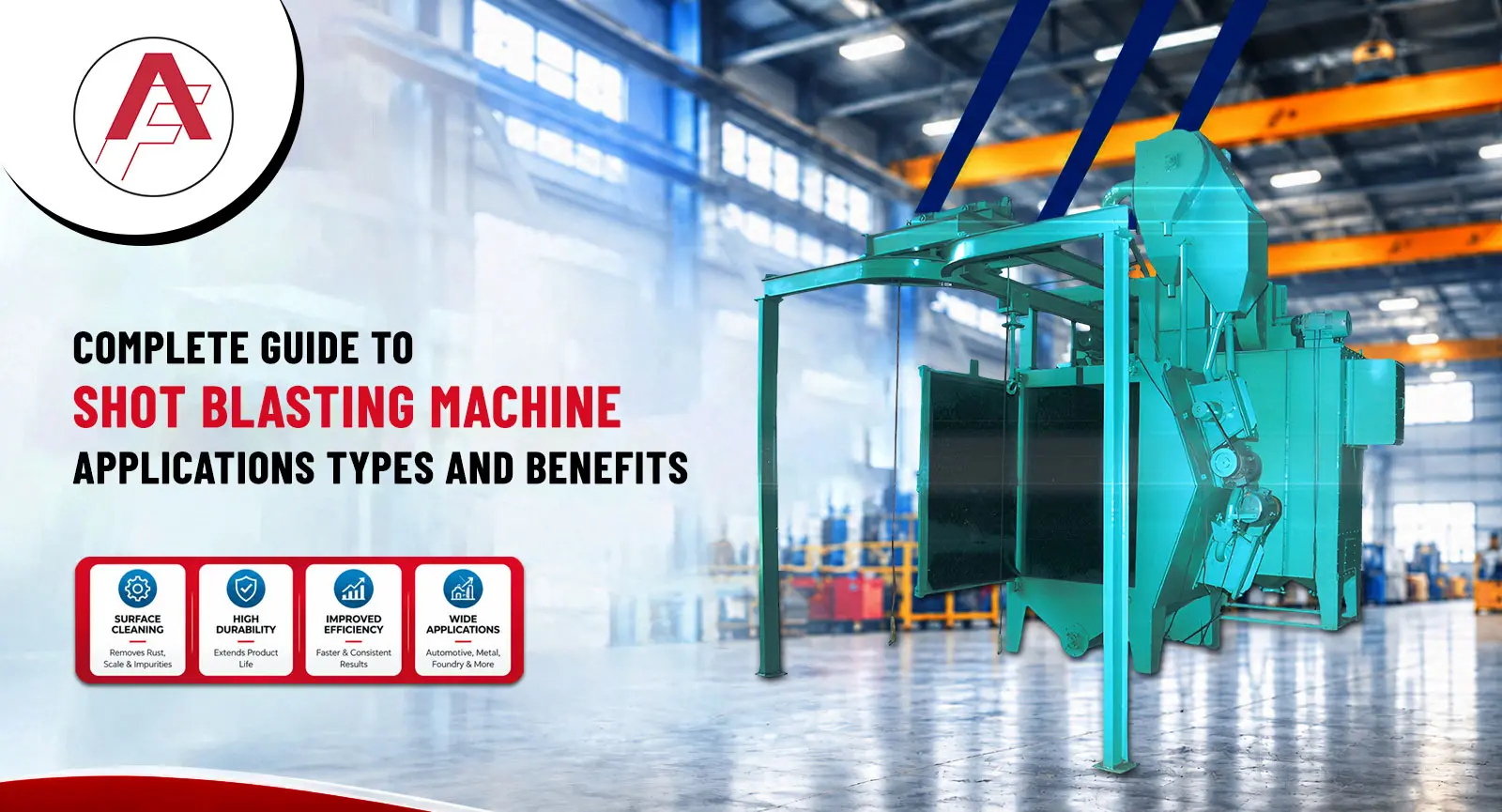
Before paint, powder coating, or any protective layer goes onto a metal surface, that surface needs to be properly cleaned first; otherwise, the coating peels or flakes off within months. A Shot Blasting Machine does this cleaning job by firing abrasive material at high speed against the surface, knocking off rust, mill scale, old paint, and other buildup that a wire brush or hand sanding would take hours to remove. This blog walks through the common types available, where each one is actually used, and why factories across India rely on this machine over slower manual methods.Types of Shot Blasting Machines
Different jobs call for different machine designs, and knowing the basic types helps you understand which one actually suits your work.An airblast Shot Blasting Machine uses compressed air to fire the abrasive, giving good control over blast pressure and angle, which makes it useful for smaller parts or spots that need careful, targeted cleaning. A wheelblast machine uses a spinning wheel to throw the abrasive at high speed and covers a larger area faster, making it the common choice for higher volume production work. A tumblast machine tumbles smaller parts inside a rotating drum while blasting them, which works well for bulk cleaning of small components like fasteners, castings, or forged parts. A hanger-type machine hangs larger or oddly shaped parts on a conveyor that moves through the blasting chamber, suited to bigger components that cannot simply be tumbled or laid flat inside a smaller shot blasting machine.
How Blast Cleaning Actually Works
Blast cleaning is the general term for what all these machines do, propelling an abrasive material against a surface with enough force to strip away unwanted material without damaging the base metal underneath.Steel shot, one of the most common abrasives used, works well for general steel shot blasting jobs because it is durable, reusable many times over, and leaves a consistent, even finish. The machine also includes a dust collection system to capture the fine particles thrown up during blasting and an abrasive recycling system that collects used shot and feeds it back into the process rather than wasting it after a single pass. Blast pressure and nozzle configuration can usually be adjusted depending on the material and the finish required, since a delicate part and a heavy steel casting need very different blast settings.
Applications Across Industries
A Shot Blasting Machine shows up across a wide range of industries, wherever metal, concrete, or other surfaces need proper cleaning or preparation before the next step in production.- Rust and scale removal from steel structures, pipes, and fabricated parts before painting
- Paint and old coating removal ahead of a repaint or recoat job
- Deburring and deflashing to smooth rough edges left after machining or casting
- Shot peening to relieve surface stress and improve the fatigue life of metal components
- Surface roughening to help paint or powder coating grip better
- Concrete surface profiling before applying floor coatings or waterproofing layers
- Cleaning aerospace and automotive components as part of manufacturing or refurbishment
- Foundry and forging cleaning to remove sand, scale, and casting residue from raw castings
Benefits of Using a Shot Blasting Machine
Switching from manual cleaning to a proper Shot Blasting Machine brings a few clear advantages that show up quickly on the shop floor.Cleaning that would take a worker hours with a wire brush or grinder can often be done in minutes, which speeds up the whole production line. The finish is far more even and consistent than manual work, since the machine applies the same blast pressure and coverage across the entire surface rather than depending on how thorough one worker happened to be that day. Coatings and paint also hold up longer on a properly blasted surface, since the roughened texture gives the coating something to grip onto, reducing the chances of peeling or flaking later. The abrasive recycling system also keeps running costs down over time, since the same shot is reused many times instead of being thrown away after each job.
Choosing the Right Shot Blasting Machine for Your Work
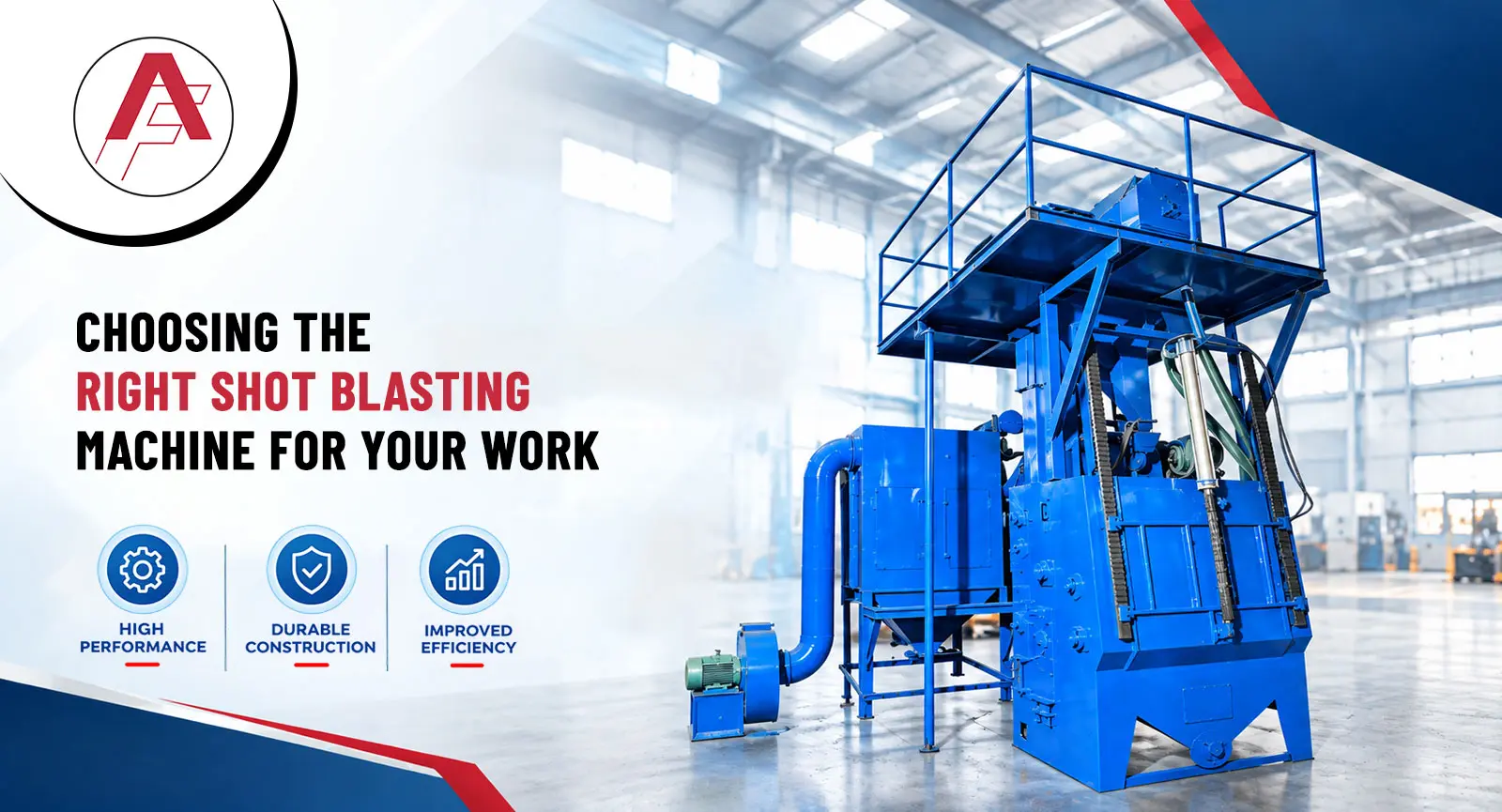
If cleaning small batches of parts locally is needed, an airblast machine provides the most control. A wheelblast machine covers more ground faster for high-volume production of similar-sized parts. A tumblast machine is good for high-volume bulk cleaning of small parts such as nuts, bolts, or small castings. A hanger-type machine is generally a practical choice for large or irregularly shaped components such as large castings or structural steel.
Get Your Shot Blasting Machine from Adrash Fabricators
Adrash Fabricators, Faridabad, Haryana, have been manufacturers of shotblasting machine units since 1968. They manufacture airblast, wheelblast, tumblast, and hanger-type machines, using durable and premium-grade steel. As a trusted metal cleaning machine supplier serving clients across India, the team also offers installation support and after-sales service to keep machines running at full performance.Frequently Asked Questions

Adarsh Fabricators
Adarsh Fabricators, established in 1968, is a leading manufacturer, supplier, and exporter of industrial machinery including blasting machines, sand mixers, and ladling machines, offering comprehensive services.
